ACI
Cell-based cartilage repair
A powerful idea built around harvesting, culturing and implanting a patient’s own chondrocytes.
The NanoACi story
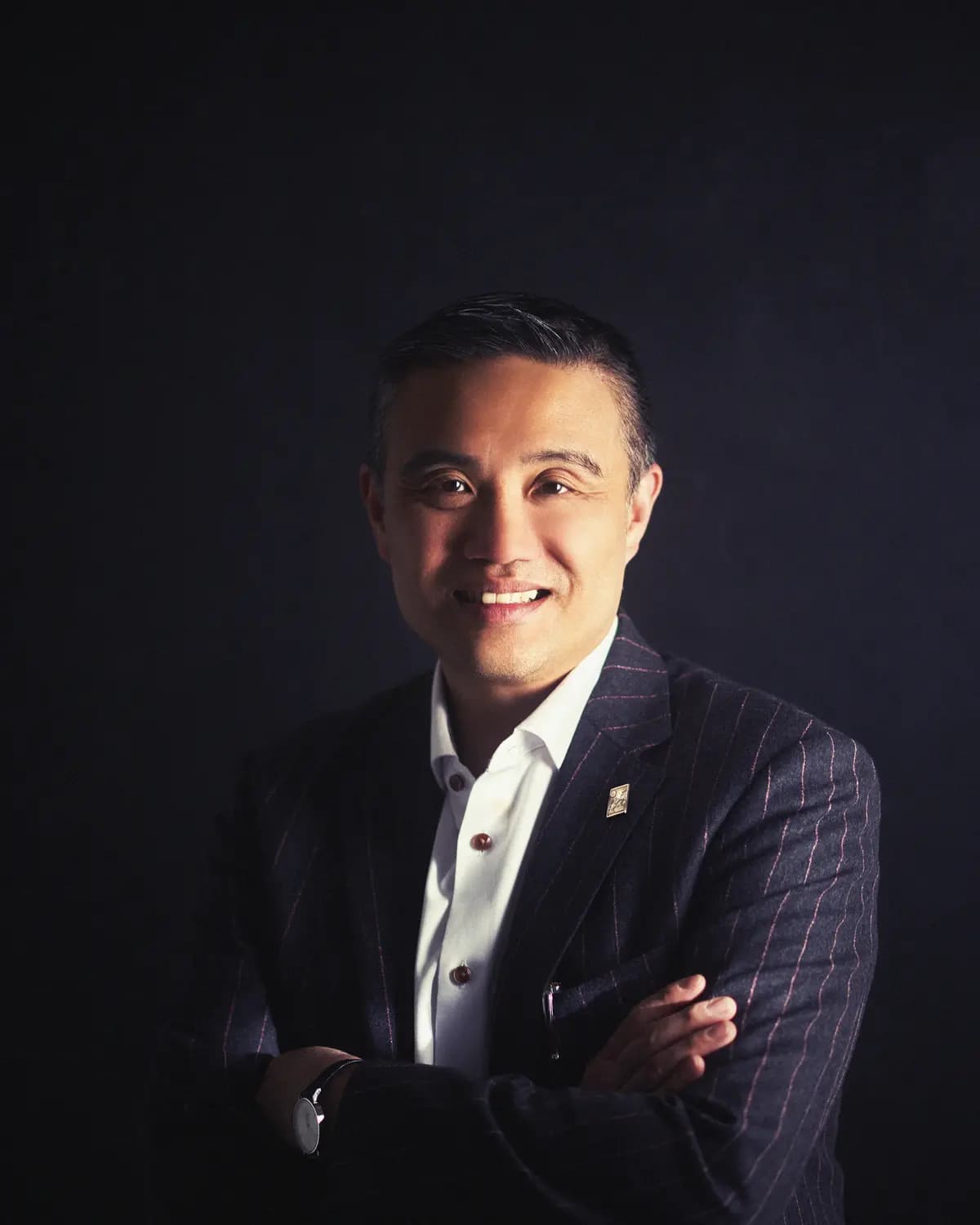
“My work has been a progression: preserve more, disturb less, measure honestly.”Professor Paul Lee
The idea
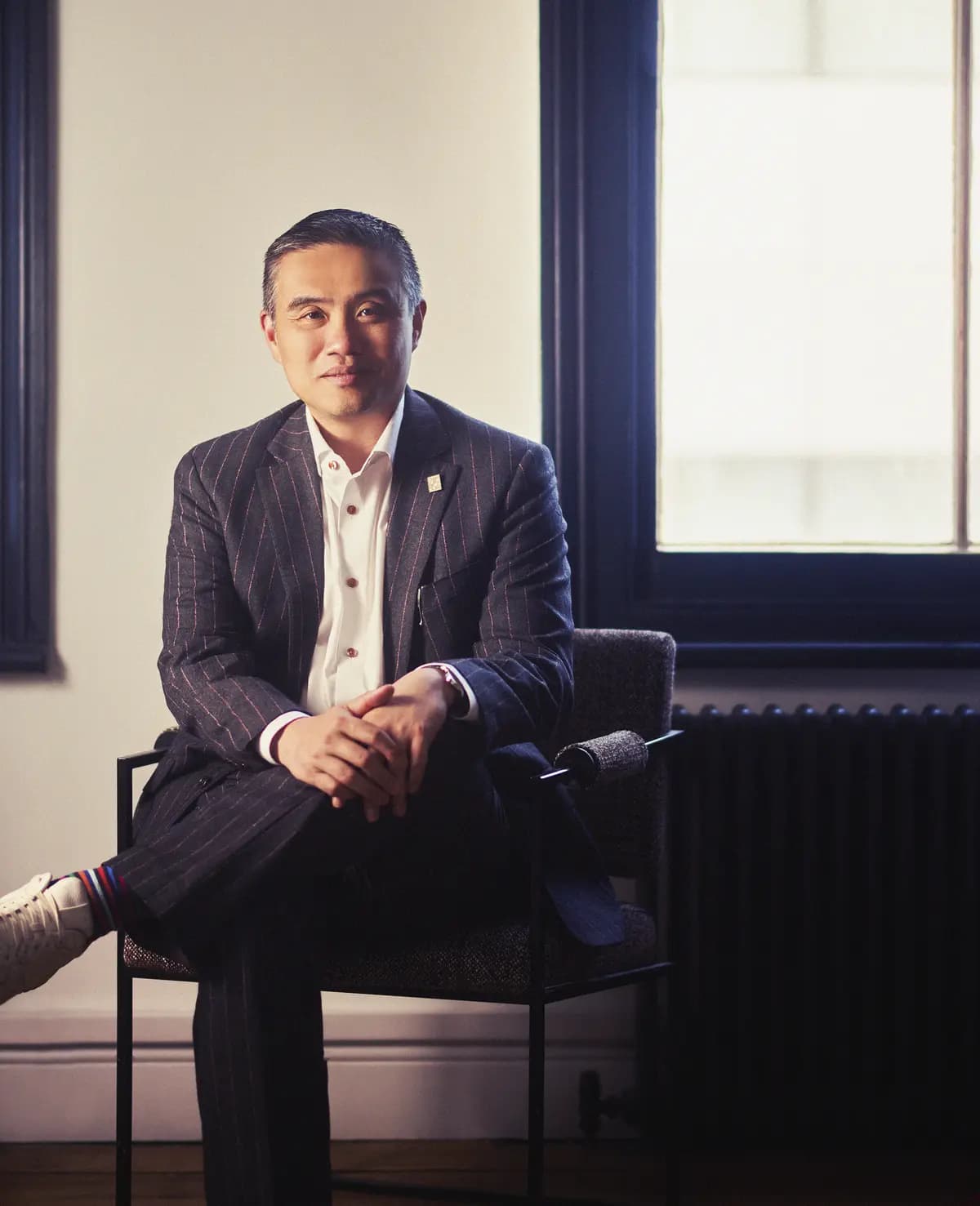
Professor Paul Lee trained as an orthopaedic surgeon and medical engineer. His cartilage work moved through established ACI and MACI, then toward single-stage repair. NanoACi asks whether the same biological ambition can be delivered through a smaller route, in one sitting, without arthroscopy.
That is why NanoACi is deliberately described as a surgical technique. The access has changed. The responsibility, planning and specialist judgement have not.
The progression
ACI
A powerful idea built around harvesting, culturing and implanting a patient’s own chondrocytes.
MACI
A scaffold helps organise implantation, while the treatment remains staged and operative.
STACi
The culture stage is removed and autologous cartilage repair moves into a single operation.
NanoACi
One-stage, non-arthroscopic and needle-delivered—while remaining a surgeon-led cartilage technique.
The legacy
The ambition is larger than one clinic or one hundred cases: make advanced biological joint preservation simpler, teachable and globally accessible.
Recognition should follow the work—patients helped, outcomes published, clinicians trained and a protocol that improves through scrutiny. That is how NanoACi becomes more than a brand. It becomes Professor Lee’s contribution to cartilage care.